Organic Search Results
Organic search results are unpaid listings in search engines generated by relevance and quality - key to successful SEO.
What Are Organic Search Results?
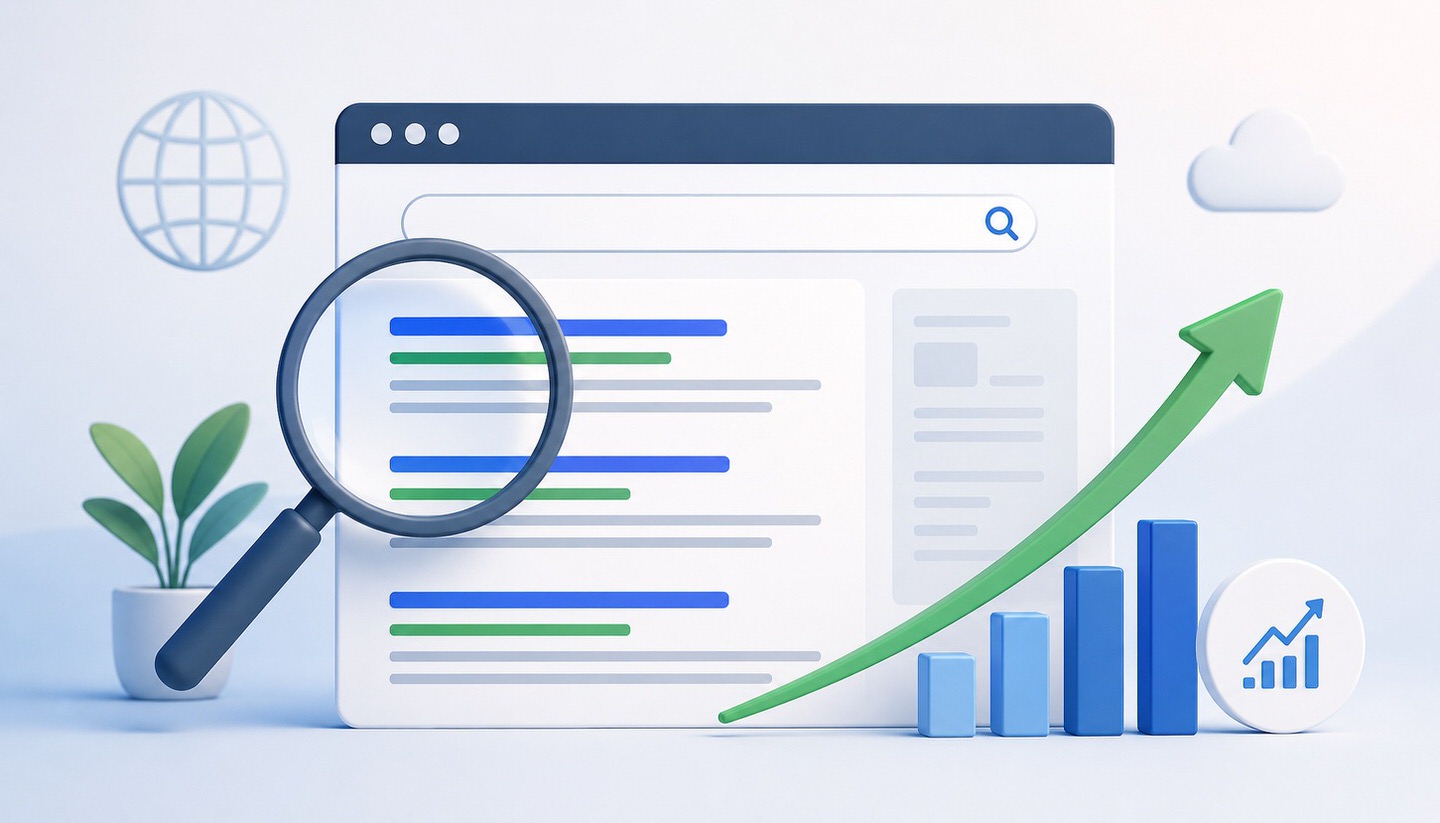
Organic search results are the natural, unpaid hits that a search engine like Google displays in response to a search query. They are selected solely based on their relevance and quality for the respective query and are ranked according to the search engine's algorithm. In contrast, there are paid search results (ads), for which advertisers pay to secure placement.
The term "organic" indicates that these results arise naturally: a website appears here because the search engine deems it a suitable answer, not because payment was made for it. These placements are the primary goal of search engine optimization (SEO).
Organic vs. Paid: The Difference
On a typical search results page, both types of hits can be found:
- Paid Results (SEA): Ads, usually at the top and bottom of the page, marked with a label such as "Ad" or "Sponsored." They appear as long as an advertising budget is available and disappear once the campaign ends.
- Organic Results (SEO): The natural hits below, which cannot be paid for. A good ranking must be earned through relevant content and optimization but remains in place long-term.
Simply put: paid visibility is rented, organic visibility is earned.
How Do Organic Rankings Come About?
Which page appears how high in organic results is determined by the search engine's algorithm based on numerous factors. The most important ones can be broadly grouped as follows:
- Relevance and Quality of Content: How well does the page answer the search query and fulfill the search intent?
- Backlinks: Links from other trustworthy websites act as recommendations and strengthen authority.
- Technical Factors: Loading speed, mobile optimization, and a clean page structure.
- User Experience: Good usability and signals such as dwell time and engagement.
The Importance of Position
The placement in organic results has an enormous impact on traffic. The top hits receive by far the largest share of clicks, while attention drops sharply further down. The second search results page is not even accessed by most users. This explains why SEO pursues such a central goal: to appear as high as possible on the first page.
Advantages of Organic Search Results
- Sustainability: A well-placed page brings visitors long-term without having to pay per click.
- Trust: Many users trust organic results more than ads.
- Cost Efficiency: The initial effort for SEO pays off in the long run, as no ongoing click costs are incurred.
- High Reach: The majority of clicks on a search results page go to organic results, not ads.
The Shift Through SERP Features and AI
The classic list of ten organic results is now just one part of the search results page. Increasingly, additional elements are being added that push organic results further down or answer queries directly:
- Featured Snippets and Info Boxes: Highlighted answers at the top of the page.
- AI Overviews: AI-generated summaries that have appeared above organic results since 2024.
- Local Results, Images, and Videos: Special sections displayed depending on the query.
This development means that more and more search queries are being answered directly on the results page without a click occurring (Zero-Click Search). For organic visibility, this means: a good ranking alone no longer automatically guarantees high traffic. It is becoming more important to be present in both the classic results and the new AI-powered formats.
Conclusion
Organic search results are the unpaid, relevance-sorted hits of a search engine and the true goal of any SEO effort. They offer sustainable, trustworthy, and cost-efficient visibility but must be earned through high-quality content and optimization. Since AI summaries and other SERP features are increasingly changing the results page, a top ranking alone is no longer sufficient. To remain visible in the long term, classic SEO must be combined with a focus on the new, AI-driven search formats.